
A blood clot is one of the few serious conditions that can start as something you would ordinarily ignore. A calf that aches. A leg that seems a little puffy. Being slightly more out of breath on the stairs than usual.
What makes clots dangerous is where they can travel. Our blood clot emergency room in Arlington has the blood testing, ultrasound and CT imaging needed to answer the question in one visit, at any hour, with no appointment and no referral.
The signs of a clot in the leg are swelling in one leg only, a deep ache or cramping in the calf, warmth, and skin that looks red or discolored. The signs of a clot in the lung are sudden shortness of breath, sharp chest pain that worsens when you breathe in, a racing heart, and coughing blood.
The single most useful clue in the leg is that it affects one side. Both ankles swelling after a long day is common and usually harmless. One calf swollen while the other looks normal is the pattern that brings people here.
The lower four are the urgent ones. Breathlessness with chest pain means call 911 rather than driving, because a clot in the lung can change quickly.
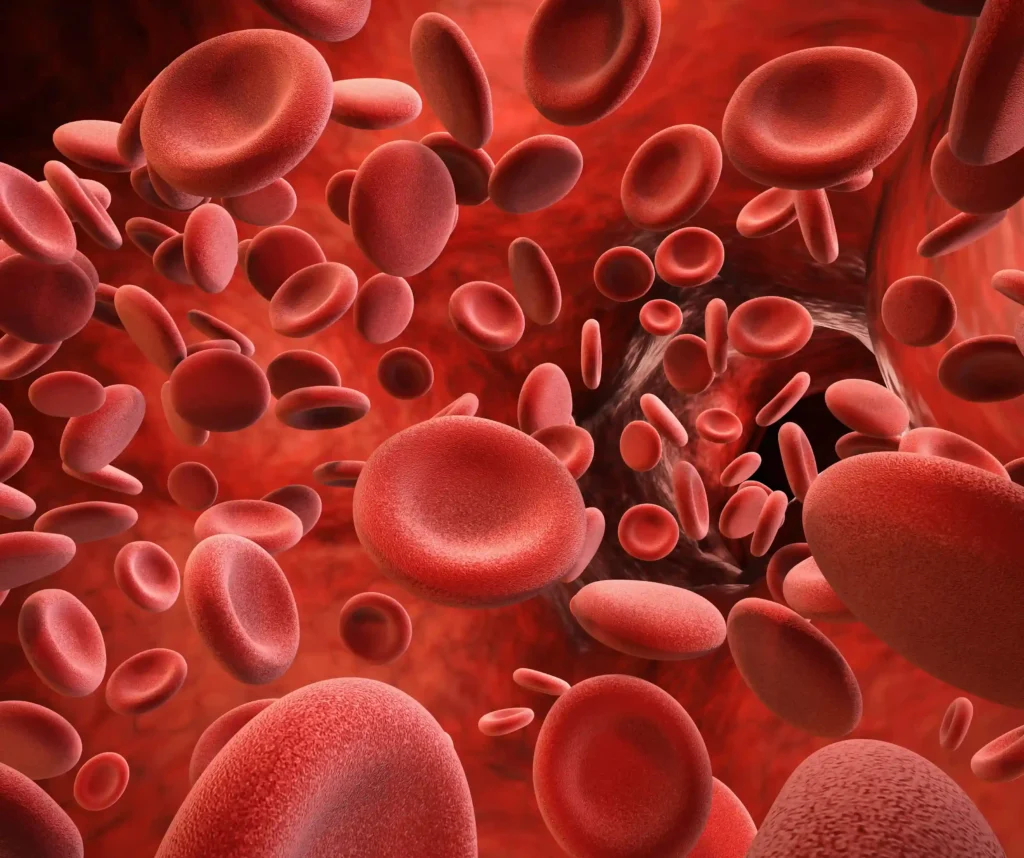
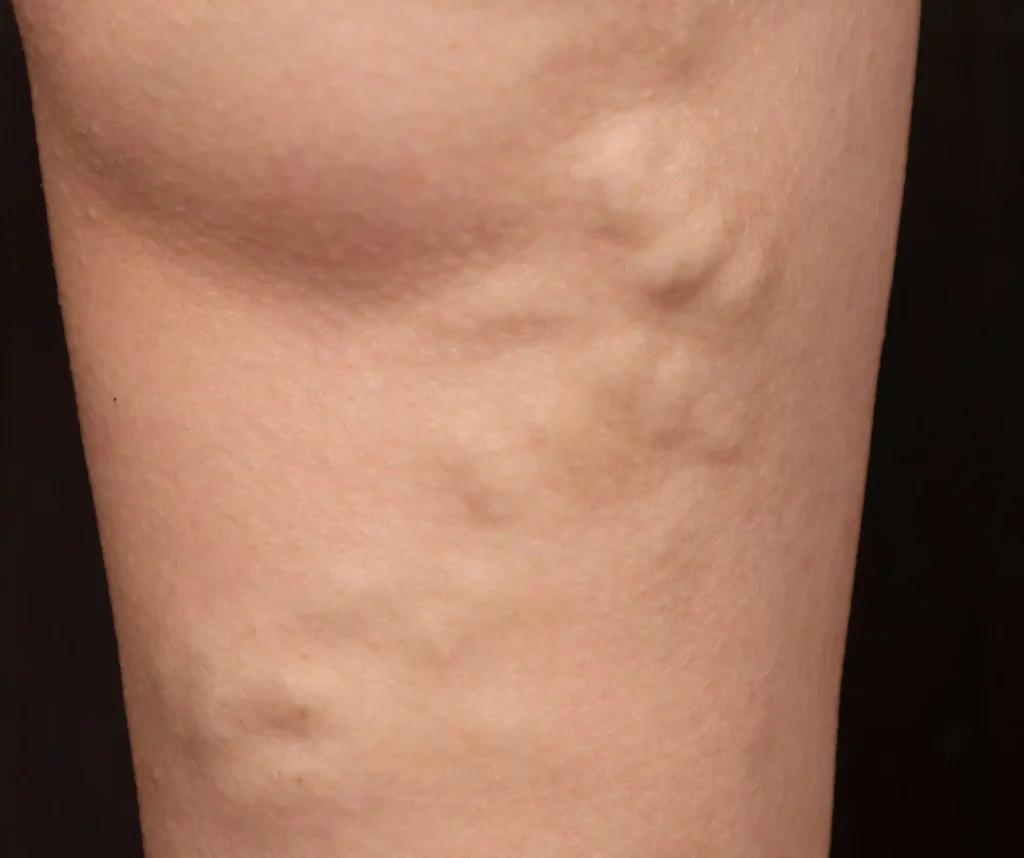
A clot in a leg vein is serious but usually stable. A clot that has traveled to the lung blocks blood flow through it, which strains the heart and can become life-threatening within hours. They are two stages of the same problem, and the second is the reason the first is treated urgently.
The mechanism is straightforward. A clot forms in a deep vein, most often in the calf or thigh. If a piece breaks away, the vein carries it back to the heart and out into the lungs, where it lodges. Everything downstream of it stops receiving blood.
This is why we take a swollen calf seriously even when the person feels perfectly well otherwise. Treating a leg clot is largely about preventing the lung one. Left alone, a meaningful share of untreated leg clots go on to cause exactly that.
It also explains a pattern that confuses people: someone whose leg pain settled last week arriving breathless this week. The leg improving does not mean the clot resolved. Sometimes it means it moved.
Anything that keeps blood still, injures a vein, or makes blood clot more readily raises the risk. Most people who develop one can point to something on this list in the weeks beforehand.
Recent surgery or a hospital stay. This is the biggest single factor. Operations on the hip, knee, abdomen, or pelvis carry a raised risk for weeks afterward, not just during the stay.
Long periods of not moving. A long flight or drive, a cast on a leg, bed rest during an illness, or a desk job with almost no movement. Blood pooling in still legs is where many clots begin.
A previous clot, or a family history of them. Some people inherit a tendency for blood to clot more readily than it should, and a first clot often reveals it.
Pregnancy and the weeks after delivery. Pregnancy changes how readily blood clots, and that shift persists for some time after the birth.
Cancer and its treatment. Several cancers raise clotting risk substantially, and treatment can add to it.
Being significantly overweight, or a smoker. Both raise risk on their own, and considerably more in combination with anything else here.
Two points worth holding onto. First, none of these is required. Clots occur in young, fit, healthy people with no risk factors at all, which is exactly why the symptoms matter more than the profile. Second, a leg injury that seems to explain the swelling does not rule a clot out; the two can happen together.
One item in the right-hand column is genuinely dangerous rather than merely unhelpful, and it is the instinct almost everyone has.
| Do this | Never do this |
|---|---|
| Come in the same day for one-sided leg swelling | Massage or rub the painful area |
| Call 911 for breathlessness or chest pain | Drive yourself while short of breath |
| Note any recent surgery, flight, or long drive | Assume a leg knock explains the swelling |
| Mention any previous clot, in you or your family | Leave out a clot from many years ago |
| Bring a list of anything you take regularly | Stop or start anything on your own first |
| Keep the leg still and comfortable on the way | Walk it off or stretch it out to test it |
Do not massage a leg you suspect holds a clot. Rubbing it is the natural response to a cramp, and it is exactly the thing that risks dislodging a clot and sending it to the lungs. If in doubt, leave the leg alone and let us look at it.
The third row matters more than it sounds. Many people talk themselves out of coming in because they banged the leg last week. An injury and a clot can coexist, and the injury itself slightly raises the risk of one forming.
Your physician scores how likely a clot actually is, runs blood testing, uses ultrasound to look directly at the leg veins, adds a CT scan when the lungs are the concern, starts treatment as soon as a clot is confirmed, and arranges the follow-up that has to continue after you leave.
A structured assessment of your symptoms and history decides which tests are actually needed, rather than running everything.
A blood test detects the debris left when clots form and break down. A normal result in a low-risk patient can end the workup there.
Sound waves show the vein and whether blood is moving through it. No radiation, nothing uncomfortable, and an answer during the visit.
Where breathlessness or chest pain raises the question of a clot in the lung, our on-site CT scanner settles it in minutes.
A confirmed clot is treated without waiting. Blood-thinning treatment begins in the department once a physician is satisfied it is safe.
Clot treatment continues for months. You leave knowing who is managing it and when you are next being seen.
The body does break down small clots on its own, and some resolve without anyone ever knowing they existed. That is a genuinely reassuring fact, and it is also the reason a number of people delay coming in until things are considerably worse.
The problem is that you cannot tell from the outside which kind you have. A clot the body will quietly dissolve and a clot about to travel to the lungs feel exactly the same in the calf. Nothing about the level of pain or swelling reliably separates them.
There is also a longer-term consequence that gets overlooked. A leg clot left untreated can permanently damage the valves inside the vein, leaving lasting swelling, aching, and skin changes that persist for years afterward. That outcome is largely preventable with prompt treatment and difficult to reverse once established.
So the honest answer is: sometimes, but it is not a bet worth taking. Confirming a clot takes a few hours. Missing one can cost considerably more than an afternoon.
Laboratory, ultrasound and CT are all on site, so the whole workup finishes in one visit instead of across three appointments.
A low-risk patient with normal bloodwork may need no imaging at all. We do not scan everyone by default.
If we rule a clot out, you are told what is causing the swelling instead, rather than being sent home with a shrug.
Clot care runs for months after the visit. We make sure someone is holding that plan before you walk out.
A blood clot workup is billed as an emergency visit plus the specific tests your physician orders. We bill most major private insurance plans and file the claim for you. Arlington ER is out-of-network for all private plans, but under the federal No Surprises Act an emergency visit is still processed at your in-network cost-sharing, so your share comes down to your own deductible and coinsurance.
Clots carry a billing pattern that catches people out, and it is worth understanding in advance because it looks strange on paper. Testing escalates in steps: a blood test first, then an ultrasound if that comes back raised, then sometimes a CT scan on top. Each appears as its own line, and patients occasionally read that as three attempts at the same thing. It is not. Each step exists to decide whether the next one is needed, and stopping early when the answer is clear is precisely what keeps the total down.
The larger cost sits after the visit rather than during it. A confirmed clot means ongoing treatment and monitoring for months, managed by your primary care physician or a specialist, and billed by them. That is the part worth planning for, and our team will make sure you understand it before you leave rather than discovering it in the second month.
The federal No Surprises Act protects patients from surprise bills for emergency care. Our Patient Billing Advocates will work through your Explanation of Benefits line by line, and our Financial Support and Care Relief Program can reduce or remove out-of-pocket costs for those who qualify. Full details are on our Billing Disclosure page.
For billing questions: 817-973-7406 or info@arlingtoner.com
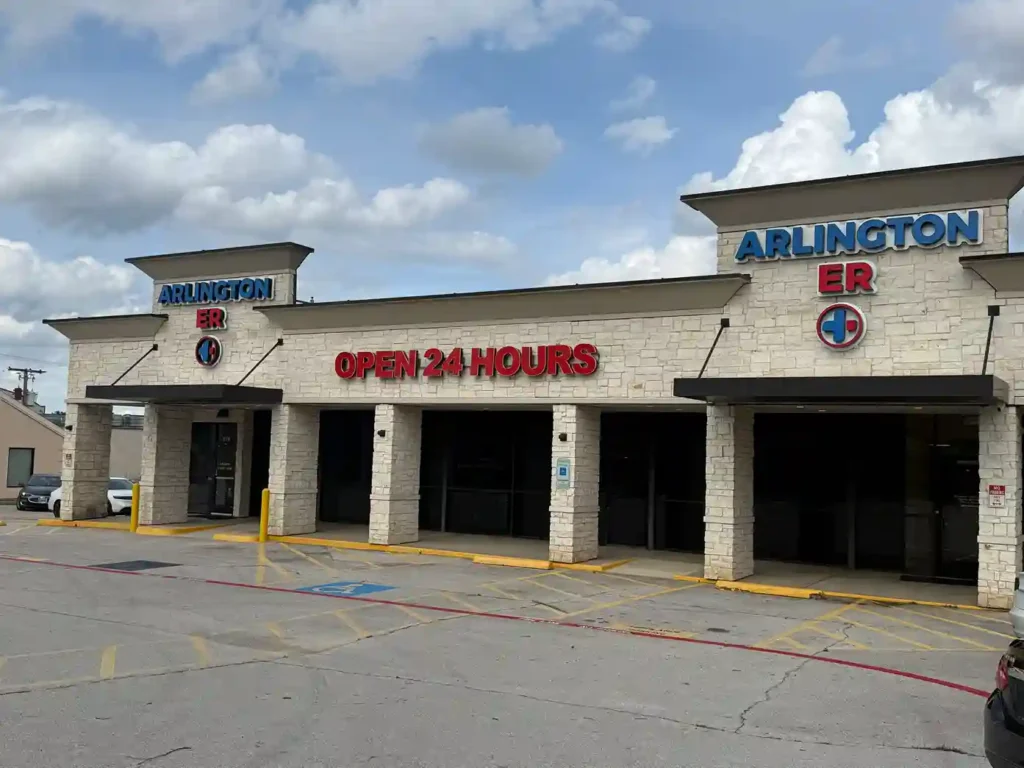
Arlington ER serves Arlington, Texas from 1607 S. Bowen Rd., on the west side of Bowen just south of Pioneer Parkway. Parking is directly outside the entrance, which matters when walking on the leg is the thing that hurts.
We are minutes from central Arlington and the Parks Mall, and a short drive from Dalworthington Gardens, Kennedale, Grand Prairie, and Mansfield. From I-20, exit at Bowen Road and head north. From Highway 303 or Pioneer Parkway, turn south onto Bowen and we are on your right. Our Contact Us page has anything else you need.
If you are short of breath, call 911 rather than driving. We are open every hour of every day, holidays included, with no appointment or referral required.
A clot ruled out is a few hours well spent. A clot missed can reach the lungs. If one leg is swollen and the other is not, walk in today. If you are breathless or your chest hurts, call 911 now.
Usually two to four hours. Bloodwork comes back in minutes, and the ultrasound follows if it is needed. A CT scan adds a little more time when the lungs are being checked.
No. A probe with gel is moved over the leg with gentle pressure. It involves no needles and no radiation, and most people find it entirely comfortable.
Yes. Several hours of sitting still allows blood to pool in the legs, and clots can appear during the days or weeks afterward rather than immediately. Mention any recent travel when you arrive.
Not always. Many leg clots are now managed at home once treatment has started and a follow-up plan is in place. A clot in the lung, or an unstable patient, needs hospital admission and we arrange the transfer.
Typically several months, and sometimes longer depending on why the clot formed. The physician managing your ongoing care decides that, and we make sure you know who that will be.
Yes, and it happens more often than people expect. Being young and fit lowers the odds but does not remove them, and it frequently delays the diagnosis because nobody considers it.
A photo ID and insurance card if handy, a list of anything you take regularly, and details of any recent surgery, travel, or previous clot. That history shapes the assessment considerably.
Yes, and with clots this matters more than usual because treatment continues for months. Records and imaging go to whoever is taking over, and you get a copy to carry with you.
Medically reviewed by Rahman Mohammed, MD | Last Updated: August 22, 2026