
The overwhelming majority of rashes are harmless and settle on their own. A small number are the first visible sign of something that can kill within hours, and they are recognizable if you know what to look for.
Arlington ER assesses rashes around the clock. This page is mostly about telling the two groups apart, so you can stop worrying or come in immediately.
Four patterns matter: a rash that does not fade under pressure, a rash that blisters or peels, a rash involving the mouth or eyes, and any rash spreading by the hour. Everything else is far less urgent.
Notice that none of those is about how itchy or unpleasant a rash looks. The uncomfortable ones are rarely the dangerous ones.
The last one is the least known and the most easily dismissed. Skin that hurts far more than its appearance suggests can indicate infection spreading deep beneath the surface, where there is nothing to see yet. Pain out of proportion is a genuine warning sign in its own right.
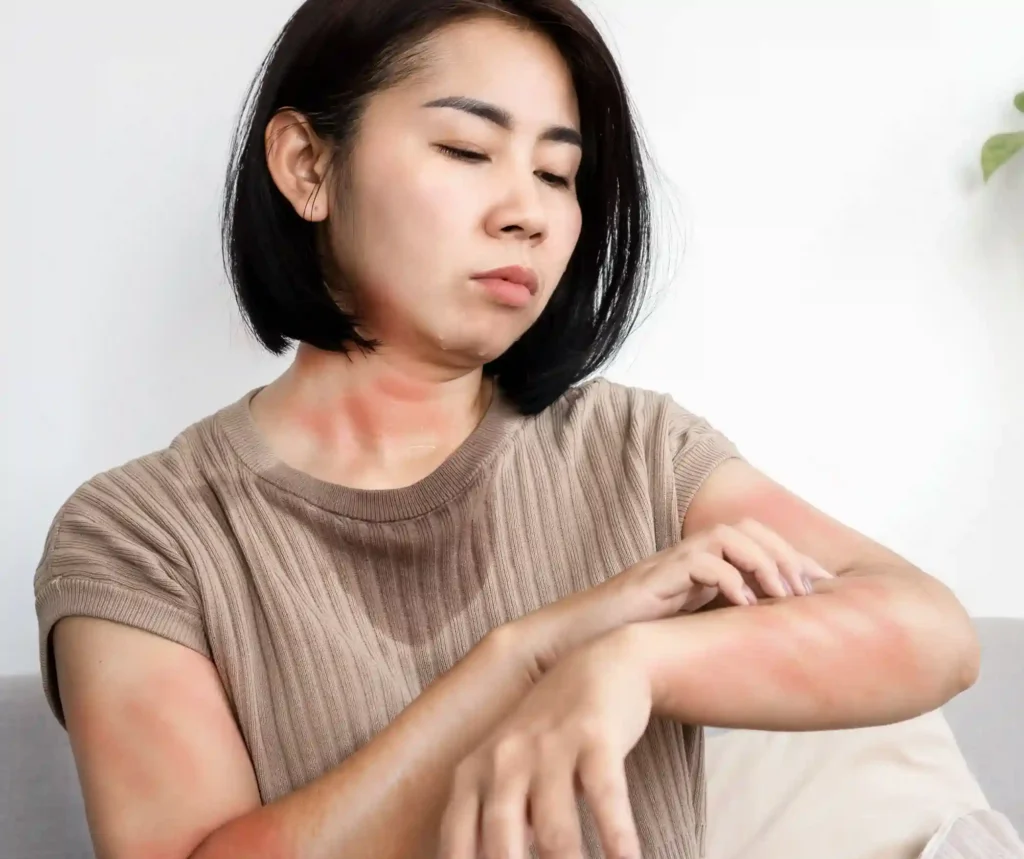
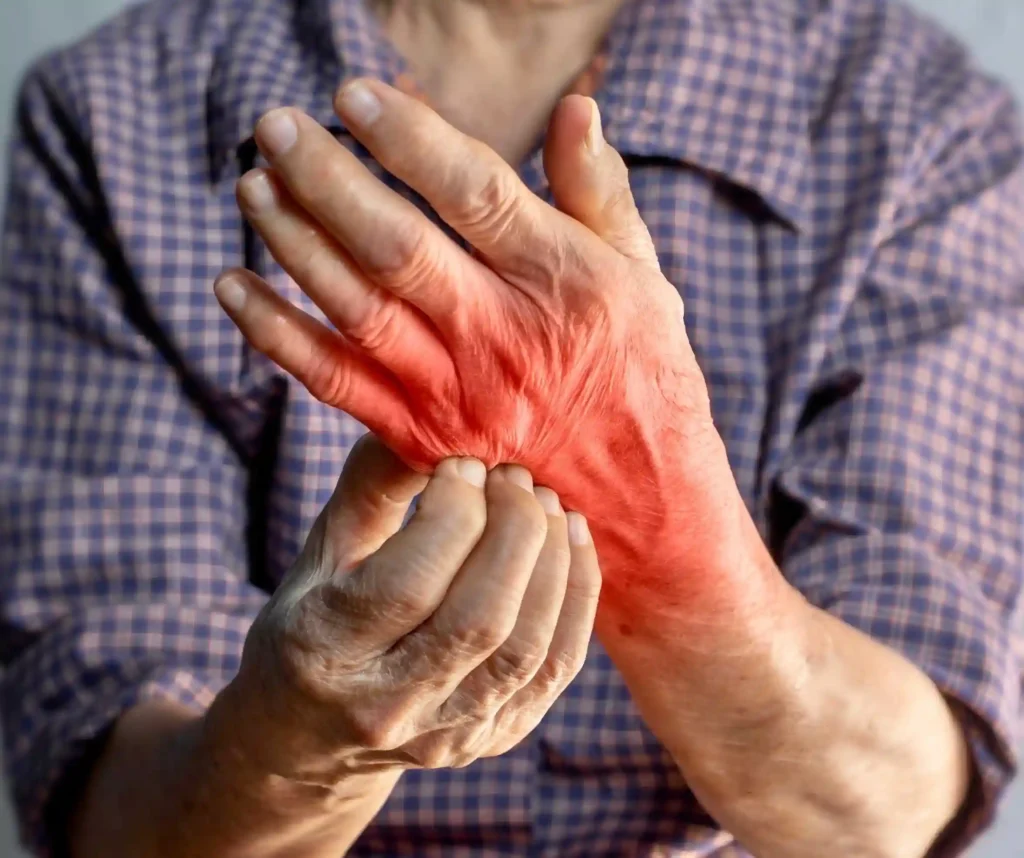
When it is warm, tender, and getting bigger. A skin infection spreading through the deeper layers looks like an ordinary red patch at first, and what distinguishes it is not appearance but movement.
Draw a line around it with a pen. This is the single most useful thing on this page and almost nobody does it. Mark the edge of the redness, write the time next to it, and look again in four hours. If the redness has escaped the line, it is spreading and needs treating today. If it has not, you can reasonably watch it.
That one action turns a vague worry into a measurement, and it gives us something genuinely useful when you arrive rather than a description from memory.
Skin infections usually start where the barrier was broken: a cut, an insect bite, a crack between the toes, or a scratch. The lower leg is the most common site by a wide margin.
Come in the same day if there is a spreading red area with warmth and tenderness, a red streak tracking away from it toward the body, a fever, or if it is on the face. Come immediately if the pain is severe out of proportion, the skin is turning dusky or purple, or you feel genuinely unwell, since those suggest something far more aggressive than an ordinary skin infection.
It raises the stakes considerably. A rash on its own is usually skin. A rash with a fever means something is happening throughout the body, and the rash is a window onto it rather than the problem itself.
Most rash-and-fever combinations in children are ordinary viral illnesses that pass in a few days, and that remains the likeliest explanation. The reason we take the combination seriously anyway is that a handful of dangerous conditions announce themselves exactly this way, and they move fast.
The pressure test is what separates them, and it is worth knowing before you need it. Press the side of a clear glass firmly against the spots. If they fade under the pressure, that is reassuring. If they stay visible through the glass, that means bleeding under the skin rather than simple redness, and it can indicate a serious bloodstream infection. That combination needs an ambulance, not a car journey.
Do not wait for the rash to spread before acting on it. In the conditions that matter, the first few spots often appear late, and the person may be far more unwell than the skin suggests. If someone has a fever and looks genuinely sick, the absence of an obvious rash is not reassurance either.
Our High Fever page covers what the temperature itself does and does not tell you, including why the number matters less than how the person looks.
For the ordinary rashes, less is almost always more. The right-hand column contains the things that turn a mild rash into a longer, angrier one.
| Do this | Never do this |
|---|---|
| Draw a pen line around a red area and note the time | Rely on memory to judge whether it has spread |
| Photograph it now, in daylight | Arrive with a rash that has faded and no record |
| Wash with plain lukewarm water only | Scrub with soap, or use a hot shower for itching |
| Keep it cool, loose, and uncovered where you can | Apply several different creams from the cupboard |
| Stop anything new you started in the last two weeks | Keep taking something new and hope it settles |
| Note where it started and how it has moved | Scratch it, which breaks the skin and invites infection |
The photograph row is worth taking seriously. Rashes come and go, and a great many arrive here having faded on the drive over. A clear daylight photograph of the rash at its worst is genuinely diagnostic information, and it is free.
The cream row is the most common mistake. Layering several products onto irritated skin frequently causes a reaction to one of them on top of the original problem, and it also obscures what the rash actually looked like. One thing at a time, or nothing at all until it has been seen.
Decide quickly whether this is skin or whether it is the whole body, because that single distinction changes everything that follows.
Temperature, heart rate and blood pressure decide immediately whether this is a skin problem or a whole-body one.
Including the mouth, eyes, palms and soles. Where a rash appears is often more telling than what it looks like.
Anything new started in the last two weeks, new foods, new products, travel, insect bites, or a recent illness.
Looking for infection in the bloodstream, organ involvement, or the markers that separate serious causes from ordinary ones.
Treatment aimed at the cause, plus something for the itch, which is not trivial when it has stopped you sleeping.
Spreading areas are outlined before you leave, so you and we can both tell tomorrow whether it has moved.
Yes, and the timing is what gives it away. Reactions to something newly started typically appear one to two weeks in, not on the first day, which is exactly why people stop suspecting it by the time the rash arrives.
Most are mild: a symmetrical, blotchy pink rash across the trunk that settles once the cause is stopped. The reason this section exists is the rare severe form, which is a genuine emergency and which has warning signs worth memorizing.
Where a rash comes with swelling of the lips or face, it is treated as an allergic reaction. Where it arrives with a high fever, we look for the infection behind it.
Come in immediately if a rash involves the mouth, eyes or genitals, if the skin blisters or peels, or if it is painful rather than itchy. Those three features separate a nuisance rash from a life-threatening one, and mucous membrane involvement is the clearest single warning.
A fever alongside a new widespread rash, facial swelling, or feeling genuinely unwell all raise the same concern. In severe reactions the skin can begin to detach in sheets, and outcomes depend heavily on how quickly it is recognized and the cause stopped.
Bring everything you are taking, including anything bought over the counter, herbal products and supplements. Bring the boxes if you can. And tell us when each one was started, because that timeline frequently identifies the culprit faster than the rash itself does.
Do not stop essential long-term treatment on your own without advice, but do stop anything newly started in the last two weeks and bring it with you.
Pressure testing, mucous membranes and spread rate are assessed before anything else, every time.
Rash with fever in a child is triaged promptly. Most turn out to be viral, and finding that out quickly is the point.
So the next person to look at it, including you at home, has a measurement rather than an impression.
Coming in with a rash that turns out to be harmless is exactly the right call. That is how the dangerous ones get caught.
A rash visit is billed as an emergency visit, plus blood work only where the rash suggests something beyond the skin. Most rash visits sit at the simpler end and need no testing at all.
This is the page where the honest answer is least flattering to us, so here it is plainly. The great majority of rashes do not need an emergency room. An itchy patch that has been there a week, an old eczema flare, mild hives with no swelling and no breathing trouble, or a heat rash in summer are all better and far more cheaply handled by your own physician or a dermatologist.
What the four warning patterns share is that they cannot wait for an appointment: a rash that does not fade under pressure, one that blisters or peels, one involving the mouth or eyes, and one spreading by the hour. For those, cost should not enter the decision at all.
There is a middle group worth naming too. A spreading skin infection is a legitimate reason to come in out of hours, because it genuinely worsens overnight and treating it a day earlier shortens the whole course.
If you are reading this unsure which group you are in, the pen line and a photograph will usually tell you within four hours, and both are free.
The federal No Surprises Act protects patients from surprise bills for emergency care. Our Financial Support and Care Relief Program can substantially reduce out-of-pocket costs for those who qualify, and our Billing Disclosure page sets out the detail.
For billing questions: 817-973-7406 or info@arlingtoner.com

Arlington ER serves Arlington, Texas from 1607 S. Bowen Rd., on the west side of Bowen just south of Pioneer Parkway. Parking is directly outside the entrance.
We are minutes from central Arlington and the Parks Mall, and a short drive from Dalworthington Gardens, Kennedale, Grand Prairie, and Mansfield. From I-20, exit at Bowen Road and head north. From Highway 303 or Pioneer Parkway, turn south onto Bowen and we are on your right. Our Contact Us page has anything else you need.
Call 911 rather than driving if a rash does not fade under a glass, if there is swelling of the lips or tongue, or if breathing is affected. Bring a photograph of the rash at its worst, and any product or treatment started in the last two weeks. Open every hour of every day, no appointment needed.
Press a clear glass against the spots. If they stay visible through it, call 911 now. If a red area is spreading past a pen line within hours, or the skin is blistering or peeling, come in tonight. Open 24/7, no appointment needed.
Press the side of a clear glass firmly against the spots and look through it. Fading is reassuring. Staying visible means bleeding under the skin and needs an ambulance. Do it in good light, and repeat it as the rash changes.
It depends entirely on the cause. Viral rashes and some skin infections can spread to others; eczema, hives and reactions to something you have taken cannot. Assume it might be until you know, and avoid sharing towels.
Skin temperature rises in the evening and the body’s natural anti-inflammatory hormones are lowest overnight, so itching genuinely worsens after dark. It is a real pattern rather than imagination, and it is not a sign of deterioration.
Hives alone, with normal breathing and no swelling of the lips or tongue, are uncomfortable rather than dangerous. Hives with any swelling of the face or throat, or with vomiting or dizziness, is a different situation and needs immediate attention.
Yes, always. A great many rashes fade on the drive over, and a clear daylight photograph of it at its worst is genuinely diagnostic. It is one of the most useful things you can bring.
Stress can trigger hives and worsen eczema, so yes. It is still worth being examined rather than assuming, because stress is a diagnosis best reached after the other causes have been considered.
Most viral rashes settle within a week and most hives within a few days. A rash still present after two weeks, or one that keeps returning, deserves a proper look from your own physician even if it is not urgent.
For a long-standing or recurring rash, yes, and that is the better and cheaper route. An ER is for the rash that cannot wait: not fading under pressure, blistering, involving the mouth or eyes, or spreading by the hour.
Medically reviewed by Rahman Mohammed, MD | Last Updated: September 23, 2026